
Norfolk, Virginia Sailor’s Death Highlights Questions About Navy Mental Health Care During Extended Deployments at Sea
NORFOLK, VA — The death of 21-year-old Navy sailor Jaimie Bethea has brought fresh attention to mental health support for service members serving long stretches at sea. Bethea died by suicide on June 20 while assigned to the USS Fort Lauderdale, a ship that was still weeks away from returning to Norfolk after an almost yearlong deployment.
Her family says she had been dealing with grief, anxiety and other emotional struggles during the deployment. They believe repeated changes to the ship’s return schedule, along with gaps in treatment and medication access, may have made an already difficult situation worse.
The Navy has acknowledged her death, and the Naval Criminal Investigative Service is investigating what happened.
A sailor coping with grief before the deployment began
Bethea’s family says her mental health difficulties intensified after a deeply painful loss before she ever set sail. According to those close to her, she watched her mother die from cancer shortly before the deployment began.
She was given a month of shore duty so she could stay with her mother in a South Carolina hospital. After that period, Bethea later sought treatment and was prescribed antidepressants, her family said.
Her sister, Arianna Calderon, said Bethea later had nightmares about their mother and seemed to be struggling emotionally. That personal loss became part of the family’s concern about whether more support could have been provided while she was serving far from home.
Friends described panic attacks, crying and trouble getting medication
People who stayed in touch with Bethea during the deployment said they saw signs that she was having a hard time. Tiana Cook, who remained in regular contact with her, told NPR that Bethea complained about inconsistent access to medication.
Cook also said Bethea described periods of crying, exhaustion and sadness. Messages reviewed by NPR showed Bethea reporting a prolonged panic attack and asking for medical help aboard the ship.
Those accounts have become central to the family’s questions about whether the sailor was able to get enough timely care while deployed. The family has not said that a specific event caused her death, but they believe the warning signs deserved more attention.
Long deployment added uncertainty for the crew and her family
Another major concern for Bethea’s family was the length of the deployment itself. Her sister said the ship’s return date was extended more than once, creating uncertainty that she believes added to Bethea’s distress.
Extended deployments can place strain on sailors who are already dealing with stress, homesickness and family emergencies. In Bethea’s case, that strain was layered on top of the death of her mother and the emotional toll of being away during treatment and recovery.
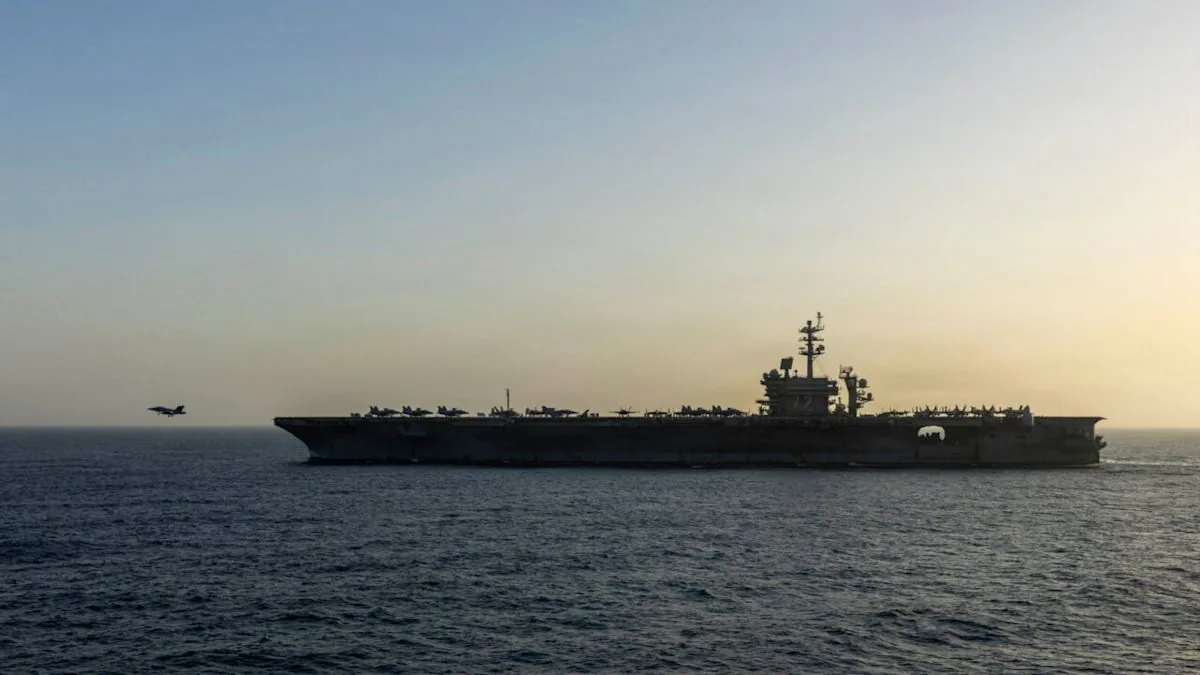
Bethea served as a mass communication specialist aboard the USS Fort Lauderdale, which had about 350 sailors on board. The ship was still about a month from returning to Norfolk when she died.
The ship did not have a dedicated mental health provider aboard
The USS Fort Lauderdale does not carry a dedicated mental health provider, unlike some larger Navy vessels. According to the Navy, medical care aboard the ship is handled by a doctor and Navy corpsmen, and chaplains receive suicide-prevention training.
That staffing structure has become part of the family’s questions about whether a different level of care could have changed the outcome. The arrangement does not prove that inadequate care caused Bethea’s death, but it does raise concerns in the minds of relatives who say she was struggling.
Her family wants to know whether earlier intervention, more consistent treatment or additional support at sea might have made a difference. They are looking for answers about what options were available when she began showing signs of distress.
Navy guidance and broader mental health staffing concerns
The case comes as the Navy continues to face broader questions about mental health access across the fleet. Official Navy guidance requires deployment-related mental health assessments and referrals when needed.
At the same time, previous Defense Department reviews have identified shortages in mental health personnel. That background has added weight to the family’s concerns, especially in a setting where sailors may be far from shore-based services for long periods.
The Navy has said medical, religious and mental health professionals are available to sailors. Even so, Bethea’s death has renewed discussion about whether those resources are enough during prolonged deployments, particularly for younger service members managing grief or other personal crises.
A family still looking for answers after the ship’s return
Bethea’s family is now seeking clarity about the days and weeks before her death and whether more could have been done. Their questions focus on access to treatment, the consistency of her medication and the support she received while at sea.
The investigation by the Naval Criminal Investigative Service is expected to examine the circumstances surrounding her death. For her relatives, the hope is that a fuller understanding of what happened may help explain whether the warning signs were recognized and addressed.
They are also left with the broader concern that other sailors on long deployments may face similar struggles without enough help close at hand. Bethea’s death has turned one family’s loss into a wider conversation about mental health care in the Navy.