
Houston Earth Day E-Cycling Drive at Compucycle Sets Record With 132,293 Pounds Collected, ABC13 Says
HOUSTON, TX — A longtime Houston-area electronics recycling drive ended on a high note in 2026, with ABC13’s 19th annual Earth Day E-Cycle Drive at CompuCycle bringing in 132,293 pounds of material. That total set a new event record and topped every previous collection in the program’s history.
The drive drew viewers from across the Houston area who dropped off old devices and helped keep e-waste out of landfills. Organizers said the effort is about more than clearing out closets and garages. It is also a practical way to recover reusable materials, limit pollution and handle electronics in a safer, more controlled way.
A record haul topped every previous E-Cycle total
This year’s collection surpassed the prior high mark of 128,699 pounds, which had been set in 2014. ABC13 also said the event had already crossed the 100,000-pound mark several times in past years, showing that participation has continued to grow.
The 2026 total was a notable jump from recent drives. In 2024, the event collected 103,936 pounds of e-waste, and the following year that figure rose to 114,508 pounds. Those increases suggest that more households are hanging onto old electronics until a recycling event comes around, then bringing them in all at once.
For many regular participants, that pattern has made the Earth Day drive a familiar spring cleanup tradition.
What the pounds of electronics meant for the environment
ABC13 highlighted several environmental benefits tied to the 132,293 pounds of electronics collected. The total represented 306.66 pounds of toxic metals diverted from the waste stream, along with a reduction of 57.75 metric tons of greenhouse gases.
The collection also saved 488.41 gallons of oil and 373.71 cubic yards of landfill space. According to the figures shared for the event, it also kept the equivalent of 12.55 passenger cars off the road and saved 4,756,109.00 hours of electricity.
To make the scale easier to picture, the weight collected was compared with 11.54 elephants or 486.37 refrigerators. Those comparisons helped show just how much electronic waste residents kept out of the trash through the one-day drive.
CompuCycle marked 30 years as a recycling partner
The 2026 drive carried extra meaning because CompuCycle, the longtime partner hosting the collection, celebrated its 30th anniversary. That milestone added another reason for organizers and participants to view the event as a success.
CompuCycle has worked with the Earth Day effort for years and helped turn it into a steady annual outlet for residential e-waste. The company’s role has been central to the drive’s reach, since it provides the handling, sorting and processing needed to turn old devices into material that can be reused.
ABC13 said the event has become highly anticipated, with many people returning year after year to drop off devices they no longer need. The anniversary underscored how long that partnership has been part of the Houston recycling calendar.
What residents could bring to the drive
The drive was free, required no appointment and was limited to residential drop-offs. Organizers also said participants could bring up to five items, making it easy for people with one device or a small stack of old electronics to take part.
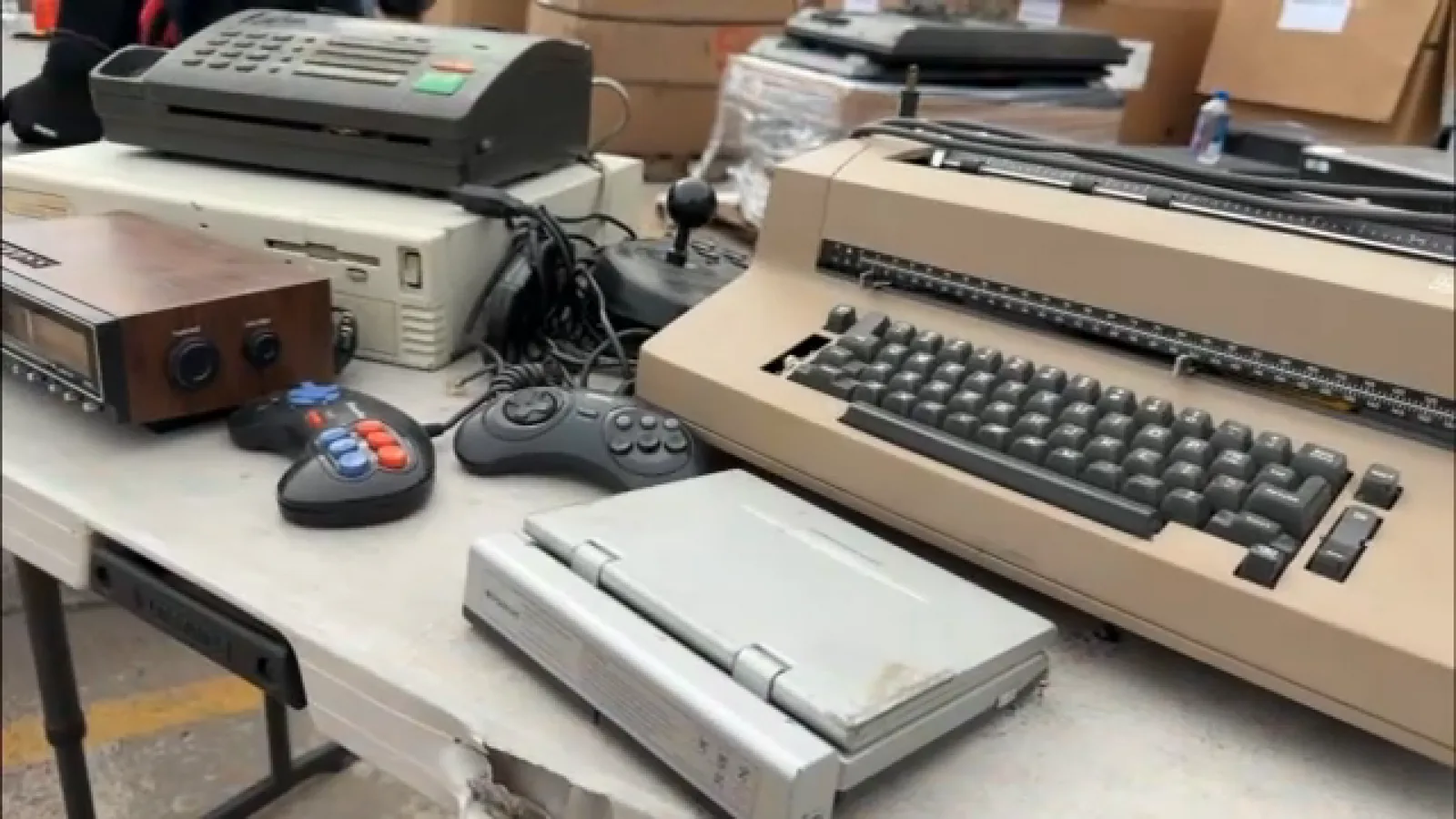
CompuCycle accepted a wide range of items beyond computers and phones. The list included desktops, laptops, tablets, cellphones, routers, modems, printers, scanners, e-readers, smartwatches, streaming devices, gaming systems, speakers, cameras, cables and power cords.
Residents were reminded to back up important data before dropping off devices and to perform a factory reset on electronics that store personal information. They were also asked to remove accessories such as cables and chargers before arrival.
What CompuCycle would not accept
Not every household item can be dropped off at the electronics recycler. For safety and environmental reasons, CompuCycle does not take items that could create a fire, explosion or pollution risk.
The company specifically excludes household appliances such as fans, refrigerators, stoves, washers, dryers, microwaves and vacuum cleaners. It also does not accept hazardous materials like paint, light bulbs, oil waste, mercury devices or medical and biohazard waste.
Other items that are off-limits include smoke alarms, solar panels, dehumidifiers and air conditioners. Anyone with questions about whether something qualifies can contact CompuCycle before bringing it in.
How the collected electronics are handled after drop-off
Once the devices are collected, CompuCycle sorts the material and wipes hard drives clean for the protection of residents’ personal information. The company says the electronics are then processed for use in new consumer products.
According to CompuCycle’s website, the work is done in compliance with its e-Stewards certification, and the company guarantees secure data destruction on devices that store information. That adds a security layer to a process that many households want handled carefully when they are clearing out older technology.
For ABC13 and CompuCycle, the broader goal is to keep useful material in circulation while reducing the amount of e-waste sent to Houston landfills. The event’s record turnout showed that a free, local recycling option can still draw a strong response from residents.