
How Florida Entrepreneur Wayne Huizenga Turned a Borrowed $5,000 Into Waste Management and Two Other Fortune 500 Companies Over Four Decades
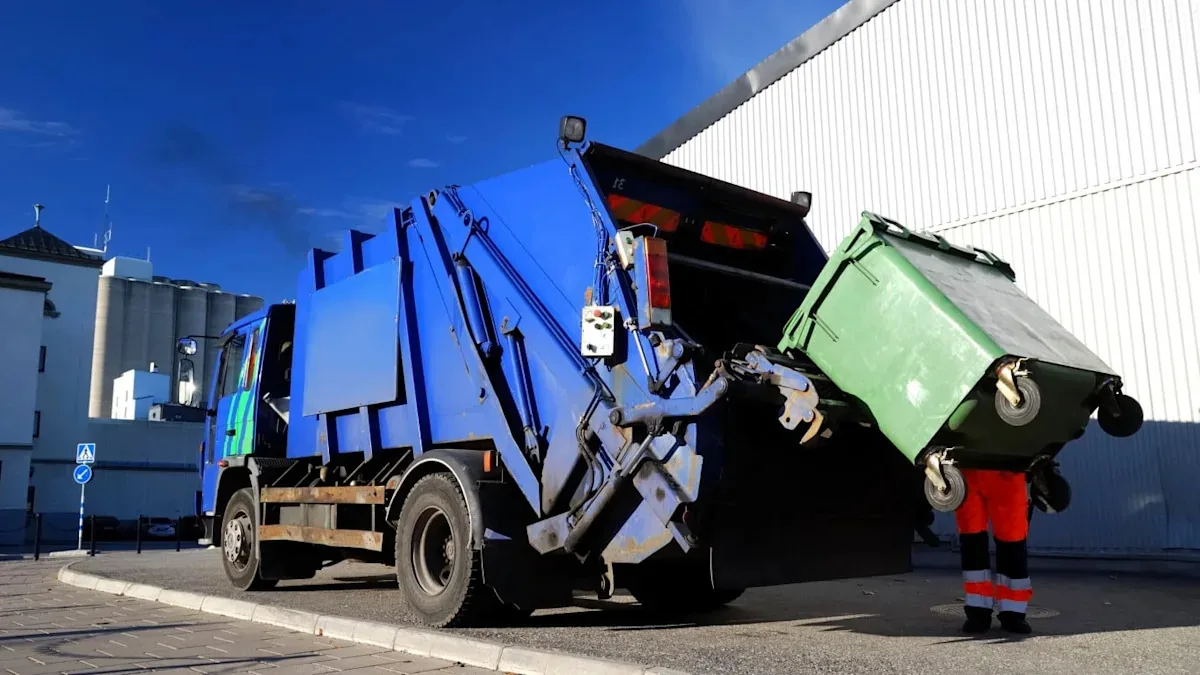
FORT LAUDERDALE, FL — Wayne Huizenga’s business story began with a $5,000 loan from his father and a used truck purchased from a Fort Lauderdale trash hauler in 1962. What started as Southern Sanitation Service became the first step in a career that would eventually produce three different Fortune 500 companies.
Huizenga built his early operation the hard way, collecting garbage before dawn and then spending the rest of the day looking for new customers. That rhythm — hauling first, selling later — became the template for a much larger empire. Decades later, his name would be linked to Waste Management, Blockbuster and AutoNation, companies that helped define entire industries through aggressive acquisition and consolidation.
From one truck and a few accounts to a growing Florida route
Huizenga got his start in Evergreen Park, Illinois, before moving to Florida and applying the same hands-on method to a business that many people would have overlooked. The early company was simple: one truck, one owner, and a small number of accounts. Huizenga himself handled both the hauling and the sales work.
By 1968, the business had expanded to 20 trucks operating from Fort Lauderdale to Key West. That growth attracted Dean Buntrock, a relative who ran the original family garbage business. The two men merged their operations and formed Waste Management, setting up the company that would become the foundation for Huizenga’s reputation as a dealmaker.
The move from a one-man operation to a regional fleet showed the basic pattern Huizenga would repeat later: start with a fragmented business, add scale through acquisitions and keep the customer relationships intact while changing the size of the enterprise.
How the Waste Management rollup strategy worked
Waste Management went public in June 1971 and raised about $4 million. Within 18 months, it had bought roughly 75 local haulers from Chicago to Florida and up the East Coast, and by 1972 the company was operating in 19 states.
The key to the strategy was simple but unusually effective. Sellers were paid in company stock and then kept on as managers. That arrangement gave the former owners a stake in the company’s success, helped preserve local customer relationships and reduced the amount of cash Waste Management had to spend on each deal.
That stock-for-acquisition model became central to the way Huizenga approached growth. Instead of trying to replace the people who knew the business best, he used them as operators inside a larger company. The approach turned a scattered industry into a national player and became one of the defining examples of a rollup strategy in American business.
A garbage company that became a billion-dollar enterprise
By 1984, Waste Management was generating more than $1 billion in revenue. That milestone showed how quickly a business built from small local routes could grow when it was assembled through acquisitions and managed at scale. The company’s rise also reflected the larger shift Huizenga helped push: industries once dominated by small operators could be transformed into major public companies.
Huizenga retired at 46 and was worth at least $21 million at the time. Even after stepping back from Waste Management, he had already established the basic playbook that would define the rest of his career. He knew how to identify fragmented markets, buy companies with stock and use experienced operators to keep the business running.
That formula would later be applied far beyond trash hauling. What made Huizenga unusual was not only that he built one large company, but that he repeated the method across different sectors and did it again and again.
The same formula later reshaped entertainment and auto retailing
The business model Huizenga used in garbage collection did not stay there. He later carried the same acquisition-driven approach into other industries, including video rental and car sales, building companies that also reached Fortune 500 status. Those later moves expanded his reputation from a local Florida operator to one of the most successful serial builders of public companies in the country.
His career showed how a disciplined method could travel from one industry to another. The details of the businesses were different, but the core idea stayed the same: buy fragmented operations, pay owners in stock and give them a reason to keep growing inside the larger company.
That consistency is part of why Huizenga remains a reference point in discussions of mergers and acquisitions. His companies became examples of how scale could be created without starting from scratch every time.
Why Huizenga’s story still stands out
Huizenga’s rise is striking because it began with a modest loan and a single used truck, yet ended with a business record that touched several major American industries. He did not build a household name by chasing glamour. He built it by focusing on overlooked, practical businesses and finding a way to combine them into something much larger.
That approach helped Waste Management grow into a public giant and ultimately put Huizenga among the most notable self-made business figures of his era. The central lesson from his career is straightforward: scale can come from the patient accumulation of small, ordinary businesses when the right structure is in place.
For readers looking at the history of American entrepreneurship, Huizenga’s path offers a rare example of a founder who used the same method repeatedly and successfully. From trash hauling to national brands, he proved that one truck and a good acquisition strategy could change the size of an industry.